Case study
Leveraging historical movements for modern corporate thought leadership
Client challenge
As a corporate speaker and executive advisor, the challenge lies in breaking through the noise of a highly saturated "future of work" consulting market. Organizations like the Nokia Leadership Association (NLA) face severe generational friction within their multigenerational workforces, yet traditional human-resources workshops often rely on dry, compliance-driven paradigms that fail to inspire deep behavioral change.
To stand out as a premium market authority, the speaker needed to transform standard workforce-diversity concepts into a high-impact, proprietary keynote address. The goal was to build a compelling piece of thought leadership that offers corporate executives an innovative, rigorous framework to support, empower, and intentionally lead a multigenerational workforce toward a singular, shared corporate mission.
The strategy
The strategy centers on establishing a unique, premium intellectual-property (IP) marketplace positioning: anchoring modern corporate leadership solutions in the strategic organizing tactics of the American Civil Rights Movement—specifically the 1963 March on Washington.
By using historical analysis as an unconventional, profound mirror for modern corporate governance, the strategy introduces a fresh narrative architecture designed for executive audiences. This signature framework is built on three core intellectual pillars:
- The strategic alliance of eras: Reframing the March on Washington not just as a moral triumph, but as a masterclass in strategic alignment—showing how veteran organizers seamlessly integrated their institutional leverage with the disruptive digital agility, energy, and urgency of youth movements.
- A unified operational language: Demonstrating how thought leaders can teach organizations to establish an overarching objective that transcends individual demographic identities, converting internal generational friction into collaborative market leverage.
- Intentional platforming: Championing a leadership paradigm that respects the legacy and wisdom of senior personnel while systematically engineering pathways to empower and elevate emerging talent.
The engagement
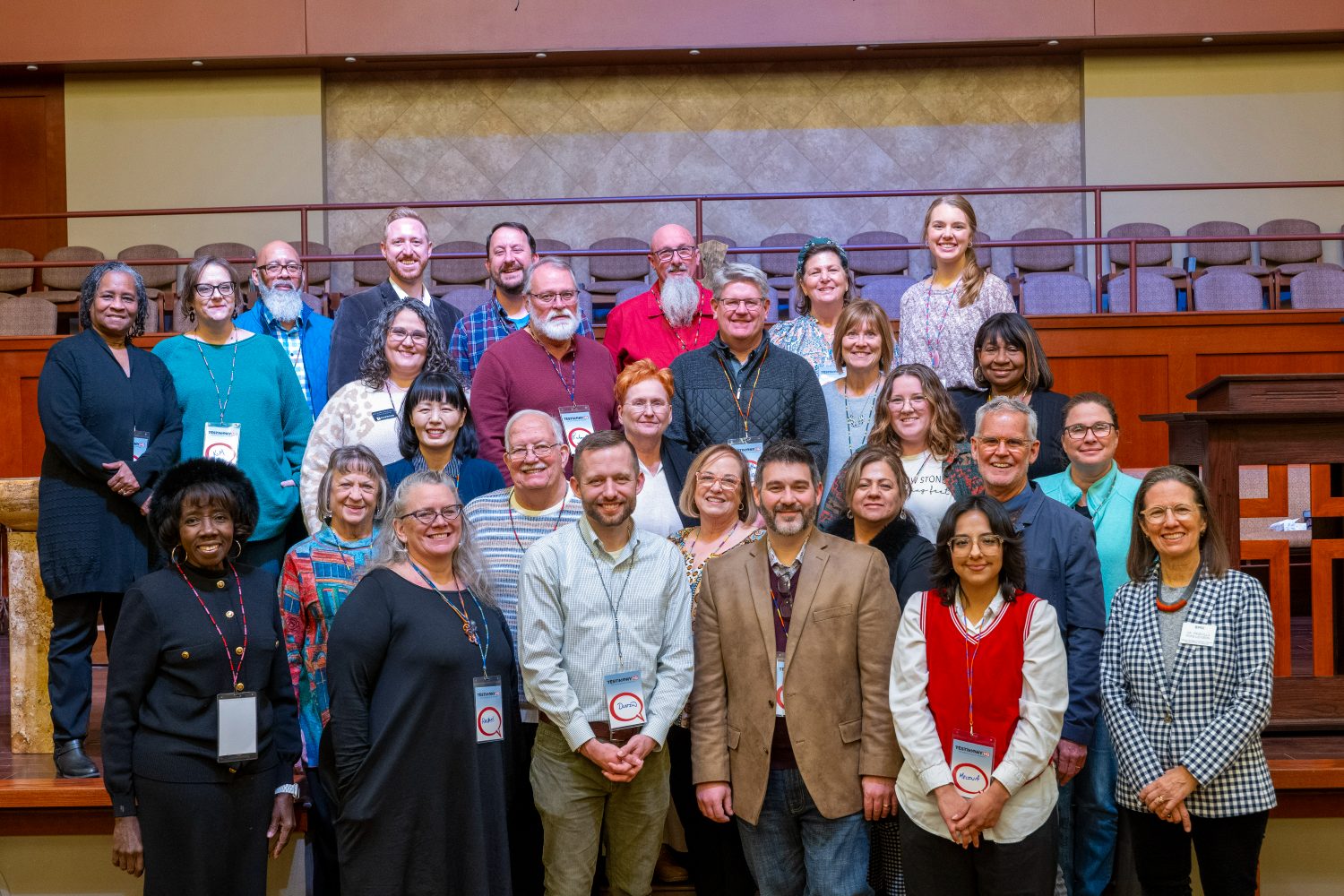
This framework was delivered as a single signature keynote address to the Nokia Leadership Association (NLA) — a high-energy, narrative-driven presentation using historical storytelling, archival material, and corporate parallels to challenge conventional thinking on workforce management as the generational scope of work teams expand.
Reception
The keynote was well received by the NLA audience, with strong informal feedback in the room around engagement, clarity, and relevance of the framework to real organizational challenges.
Looking ahead
The strength of this initial reception suggests the framework has legs beyond a single keynote. Potential next steps for scaling it into a repeatable offering include:
- Interactive executive sessions: Moving leaders from passive listening to active application, using the historical framework to audit their own organizational communication bottlenecks and talent-retention strategies in facilitated, hands-on sessions.
- Structured follow-up & assessment: Introducing a post-session survey or pulse-check process so future engagements generate real data on behavior change, retention, and cross-generational collaboration — turning anecdotal enthusiasm into measurable outcomes over time.
- Embedded advisory support: Offering ongoing advisory touchpoints (quarterly check-ins, leadership coaching, or a train-the-trainer model) so organizations can sustain and operationalize the framework internally between keynote engagements.